
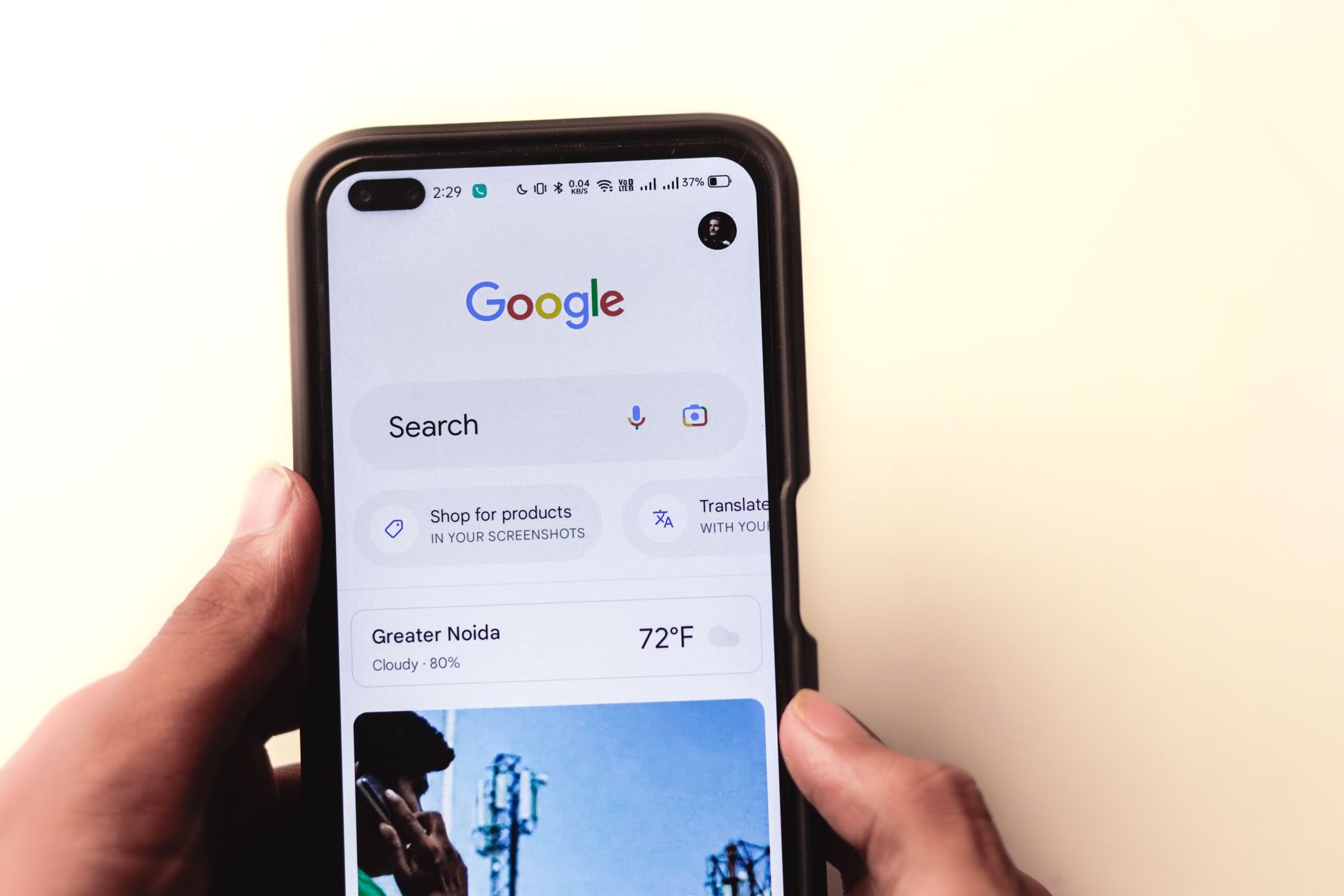
A suspended profile and a reinstated one occupy the same account dashboard, yet they describe two entirely different businesses. One shows a grayed-out panel with a warning banner and a customer base that can no longer find it. The other collects reviews, answers questions, and quietly feeds the phone line. The gap between those two states is not just a status flag flipping from red to green. It is a change in how the business appears, how it works, and how its owner thinks. This piece walks through each of those dimensions side by side.
Invisible Listing vs. Active Presence
In the suspended state, the listing effectively stops existing for the public. Searches that once surfaced a map pin and a star rating now return nothing, or worse, a competitor. Photos, hours, and the booking link are all hidden behind the suspension. Once recovered, the same listing snaps back into the local results, map pack included. Customers can call, get directions, and read reviews again. The practical difference is traffic: a live profile is a working channel, while a dark one is a dead end that keeps turning people away without explanation.
Guesswork vs. Documented Evidence
Before reinstatement, most owners operate on theories. They guess which edit triggered the flag, guess whether a category change caused it, guess what Google wants to see. A recovered account, by contrast, is built on documentation that actually satisfied a reviewer: utility bills, a signed lease, business registration, branded photos of the storefront. The shift is from hoping to knowing. The evidence that earned the reinstatement becomes a reference file you can reuse if questions ever come up again.
Frozen Workflow vs. Business as Usual
A suspension freezes a surprising amount of routine work. You cannot update holiday hours, respond to a new review, post an offer, or correct a wrong phone number. Staff who normally manage the profile are stuck. After recovery, those small daily tasks resume and stop feeling like emergencies. Someone can log in, reply to a customer, and move on. The frozen version demands constant attention and delivers nothing; the restored version demands little and keeps earning.
Panic Mode vs. Methodical Recovery
The first hours after a suspension tend to be frantic. People resubmit appeals repeatedly, change multiple fields at once, and open duplicate listings, all of which can make things worse. A methodical recovery looks nothing like that. It means reading the exact reason, fixing one issue cleanly, gathering proof, and filing a single well-supported appeal. Owners who have worked with a specialist to Reinstate Suspended GBP usually describe the turning point as the moment the scramble became a checklist. The calmer approach is also the faster one, because it avoids the resubmissions that reset the clock.
Scattered Information vs. Verified Consistency
Suspensions often expose a mess the owner never noticed: an address that differs between the website and the directory, an old phone number on a review site, a business name padded with keywords. In the dark state, those inconsistencies sit there as liabilities. In the recovered state, the name, address, and phone details match everywhere, and the category reflects what the business genuinely does. A shop in Austin, for instance, that aligns its storefront signage, its site, and its listing presents one coherent identity instead of three conflicting ones. That consistency is both what gets a profile back and what keeps it stable.
One-Time Fix vs. Suspension-Proof Habits
The weakest recovery treats reinstatement as a single event: fix it, forget it, carry on as before. The strongest treats it as the start of a habit. That means editing cautiously, avoiding sudden bulk changes, keeping verification documents current, and watching for the warning signs that precede a flag. The difference is whether the next risky edit sends you back into the dark or passes without incident. A suspension-proof account is simply one managed by someone who remembers how quiet the dark state was.
The contrast comes down to a few things worth keeping in mind:
- A live listing is a working channel; a suspended one is a closed door.
- Documented proof beats guesswork every time an appeal is reviewed.
- Calm, single-issue fixes recover faster than frantic resubmissions.
- Consistent details and careful editing habits keep the account live for good.